Quality Infrastructure - Beyond Standard Compliance
Our quality management systems govern the entire manufacturing process, from seed selection to container loading. We maintain strict compliance with global food regulations to ensure safety, shelf-stability, and complete physical-chemical conformity.

European Nutri-Score Compliance - Voluntary Registration 31954655
The Nutri-Score is a voluntary front-of-pack nutritional labeling system governed cooperatively by the Transnational Steering Committee representing seven European countries: France, Germany, Belgium, Netherlands, Spain, Luxembourg, and Switzerland. It ranks food products from Grade A (best nutritional profile) to Grade E (worst nutritional profile) based on an algorithmic evaluation of fiber, protein, fruit, and vegetable content against sugars, sodium, and saturated fats.

ISO 22000:2018 Certification
Our manufacturing facility operates under an audited ISO 22000:2018 Food Safety Management System. This structure ensures active monitoring of Critical Control Points (CCPs), full trace-back capabilities, and allergen separation protocols.

Halal Certified Facility
Our processing lines for canned protein, dairy, and dessert categories are fully certified Halal by accredited bodies. We maintain strict sanitization, ingredient segregation, and raw material audits to conform to GCC and Southeast Asian standards.

FSSAI Central Operating License
Registered under Central Licensing protocols, our factory operations are subject to regular sanitary inspections, residue audits, and compliance reviews, ensuring full validation of crop processing safety.
APEDA Registered Exporter
As a registered member of the Agricultural and Processed Food Products Export Development Authority of India, our export consignments are verified to meet international standards for packaging, coding, and quality grades.
Audited Quality Control Process Flow
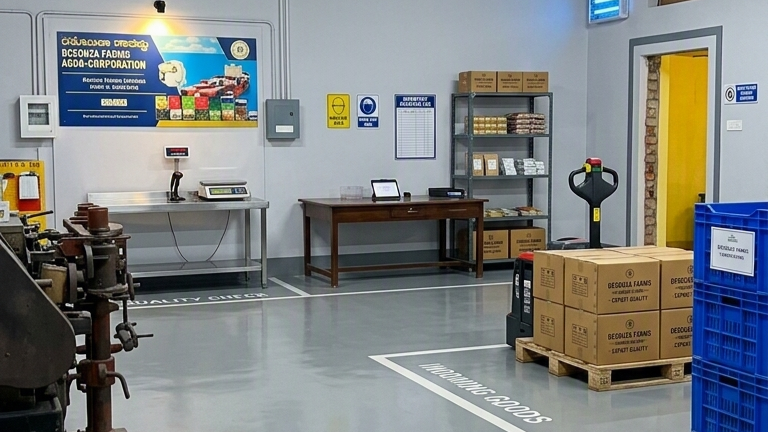
1. Raw Material Gate (MRL & Physical-Chemical Inspection)
Upon arrival, raw agricultural inputs (fresh vegetables, raw milk, wild honey) are sampled. We run immediate tests for Maximum Residue Limits (MRLs) for pesticides, heavy metals, and moisture limits before unloading into our clean storage silos.
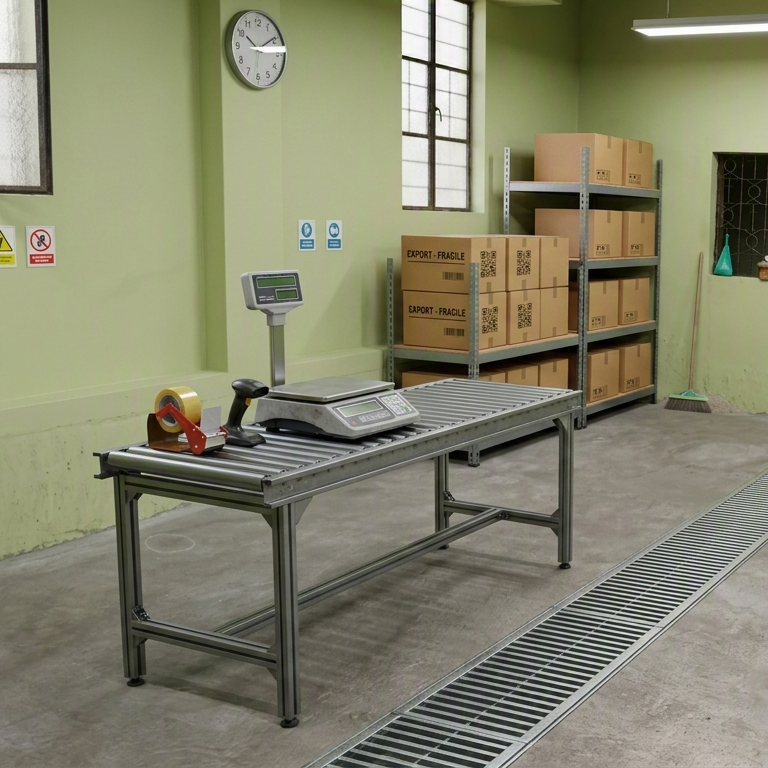
2. Processing & Sterilization Verification (retort operations)
Canned products run through PLC-monitored autoclave retorts. Temperature sensors log thermal processing metrics to ensure that target F0 sterilization values (preventing botulinum/spore formation) are fully achieved and documented.
3. Analytical Laboratory Release
Representative samples from every production batch undergo microbiological incubation (testing for yeast, mold, coliform) and physical testing (vacuum seal, pH level, brix). Batch releases are signed off only by qualified food scientists.